
Negative public opinion heats up, AI glasses promotion faces resistance
Tech giants like Meta are vigorously promoting AI glasses, but recent negative feedback from users regarding privacy and functionality has risen, potentially hindering the development of this category. Meta has drawn attention over issues such as the removal of indicator lights and content moderation, while Snapchat's AR glasses have also been criticized for their bulky design. Historical cases show that Google Glass was discontinued due to similar problems. Industry observers believe that if negative sentiment persists, AI glasses may repeat the same mistakes.
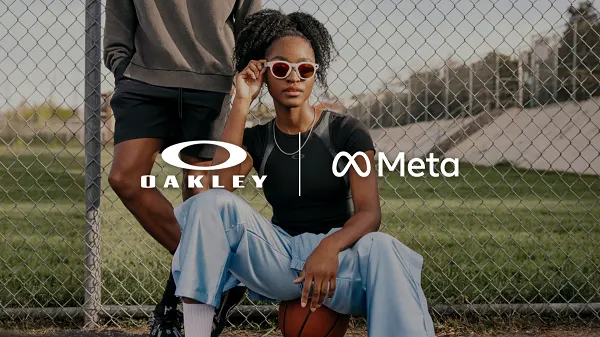
Several major tech companies are betting on artificial intelligence (AI) glasses as the next major consumer innovation. However, recent negative feedback from consumers regarding privacy concerns and wearing comfort has increased, a trend that may hinder related promotions.
Privacy Controversy Surrounding Meta AI Glasses
Recently, Meta had to update its Meta AI glasses because, according to reports, some users paid hackers to remove the device's recording indicator light, enabling recording through the glasses without others' knowledge. This is not the first time Meta has faced privacy issues related to the recording function of its AI glasses. According to Wired magazine, the so-called "Meta Ray-Ban creepers" incidents—recording others without consent or knowledge—are on the rise, with these camera-equipped glasses sending large amounts of content back to Meta's systems.
In March of this year, UK regulators launched an investigation following reports that Meta's content moderation contractors viewed intimate footage captured by users through the glasses, including "bathroom scenes, sexual acts, and other intimate moments," a story originating from Sweden's Svenska Dagbladet.
Despite this, Meta continues to advance potentially more invasive features. According to the Financial Times, Meta is testing a version of the glasses that can record user behavior 24/7, possibly without a recording indicator light, designed to feed user activity data into personalized AI training systems. Additionally, Meta is exploring the possibility of adding facial recognition to the device, further raising concerns that its glasses could be used as surveillance tools.
Sales Growth and Public Backlash
The accumulation of negative sentiment is now threatening device sales—which have grown significantly since the addition of new Meta AI features. After the glasses were renamed from Meta Ray-Ban to Meta AI glasses, sales more than doubled in 2025. However, as criticism continues, even celebrities have begun speaking out against Meta's glasses. According to Australian national radio station Triple J, pop singer Lorde recently told the audience at the Mad Cool festival in Madrid that, due to the prevalence of AI glasses, she finds it increasingly difficult to tell whether she is being recorded. Lorde reportedly said: "Don't buy the glasses, it's not sexy."
While one musician's objection may not signal a major shift, it seems to herald a symbolic boycott of the wearable that could quickly strip it of its trend appeal, or worse. Reports indicate that Meta's glasses are increasingly being called "creepy glasses," and Engadget reported that some users are even embarrassed to wear them in public due to the negative backlash.
Snapchat AR Glasses' Awkward Debut
Meanwhile, Snapchat's upcoming AR glasses, Specs, were recently showcased at a launch event, but the results fell short of the company's expectations. The glasses, worn by CEO Evan Spiegel for the demonstration (see image below), drew widespread criticism for being too bulky. Many reports focused on Spiegel's ears, which appeared painfully folded under the massive frames in the images. Given that the glasses' expanded features may not offset their lack of style, market demand could be weak despite Snap's collaborations with several celebrities for promotion, especially with a price tag of up to $2,000 per pair.

Lessons from the Past: The Google Glass Precedent
Google learned a similar lesson in 2015, when its Google Glass device ceased consumer sales just two years after launch. This was partly due to hardware limitations and insufficient functionality, but also related to the high $1,500 price tag and the stigma attached to wearing the device in public. Google Glass's distinctive look quickly lost its novelty and became a subject of ridicule. Additionally, due to its recording capabilities, Google Glass was banned in venues such as bars, cinemas, and casinos. Meta's glasses seem to be facing a similar fate, which could limit their practicality.
According to syracuse.com, the New York State Office of Court Administration announced that, starting this month, all camera-equipped glasses are banned from all courthouses. This is expected to be the first of many similar restrictions implemented by jurisdictions.
Industry Outlook and Meta's AI Strategy
The combination of negative backlash and restrictions could sound an early death knell for the industry, or it could derail Meta's vision of glasses replacing phones as the key connected device. Meta has gone all-in on AI, viewing it as a transformative technology. But at this stage, although AI tools have proven valuable in certain applications, their overall performance has not yet met broad expectations, especially in consumer-level applications where the value is not yet significant.
Meta has acknowledged this. In May, Meta's most prominent AI recruiter and head of its superintelligence division, Alexandr Wang, said on The Core Memory podcast that while many people find AI tools "somewhat helpful," the overall user experience has not "significantly improved" due to AI applications. Wang stated that Meta has a responsibility to build more valuable AI tools to win over more users and improve public sentiment, with the promotion of AI glasses being a key part of this effort, aiming to provide users with an always-available AI assistant.
Given the growth in AI glasses sales, this optimism may have some basis. However, if negative sentiment continues to escalate, it could significantly disrupt these plans. For now, the negative use cases of AI glasses seem poised to dominate public perception, despite their potential for information overlay and providing insights. This could slow adoption, and if criticism persists, multiple projects may follow in the footsteps of Google Glass.