
Snapchat tightens content sharing permissions for users under 16
Snapchat this week began rolling out a new experience for users under 16, restricting them to sharing Spotlight videos and Stories only with mutual followers, and removing follower and like counts to reduce potential risks. This move comes as multiple countries consider stricter social media restrictions for teens.
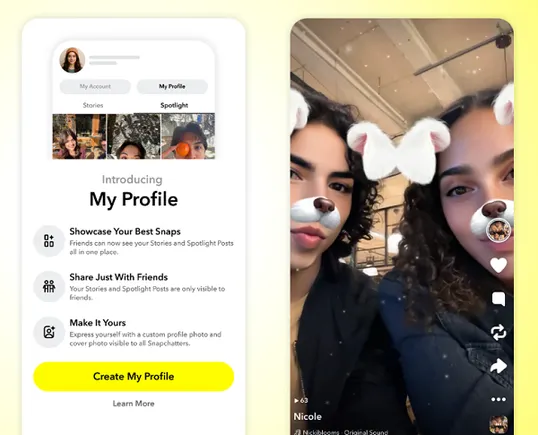
As multiple regions around the world consider stricter social media restrictions for teenagers, Snapchat has announced its proactive measures to better protect young teen users on its Spotlight and Stories features.
Starting this week, Snapchat is rolling out a new experience for users under 16, ensuring that young teens can only share Spotlight videos and Stories with friends who follow them back.

Snapchat explained: "Previously, Snapchat users under 16 could only post to Spotlight (our public short-form video platform) without a linked profile. This allowed teens to participate while helping them avoid unwanted exposure that might come from public posting. Now, we are upgrading this experience."
Under the new system, users under 16 will only be able to share Stories and Spotlight videos with trusted, approved friends. Parents can also monitor their child's contacts through Snap's Family Center.
Snapchat stated: "Snapchat users in this age group will no longer be able to post Spotlight content to audiences who are not friends."
Within this framework, content will no longer display follower counts or like counts. Young users can only post to a limited audience, reducing the incentives that drive posting behavior.
Of course, young users can still share messages with any user they are connected to within the app, but parents can also supervise this through Snap's parental controls.
The idea is that by limiting the visibility of teens' posts and removing engagement incentives, the attention factor can be weakened, thereby reducing potential negative impacts on vulnerable users.
At the same time, this also gives parents more peace of mind, as older users will not be able to view their children's videos within the app.
So, does this reduce Snapchat's negative impact more broadly?
Indeed, limiting potential exposure has positive effects. The BBC reported in 2024 that Snapchat is the most widely used platform in online grooming. Public posting may play a role in this, so eliminating this avenue of harm is certainly beneficial.
But this could also affect Snapchat's engagement. Presumably, Snapchat's data suggests this won't have a major impact, as more users tend to share with friends anyway. But the impact still exists, so this is an important step for Snapchat, especially as the app faces growth challenges in its key revenue markets.
So, why is Snapchat doing this?
The reason is that multiple regions are considering banning social media for those under 16, which would in any case cause the app to lose these potential users.
In February of this year, Snapchat reported that in Australia, it had locked or disabled over 415,000 accounts belonging to users who self-reported being under 16 or whom Snapchat determined were likely minors.
In 2023, Snapchat reported having 8 million users in Australia. Comparing this figure with the ban data above means that the app could face a risk of losing at least 5% of its audience in markets where under-16 bans are implemented.
Therefore, perhaps risking a small decline to appease regulators is worthwhile.
Or perhaps Snapchat simply believes this is the right thing to do.