
How TikTok Shop Is Reshaping the Innovation Path for Food and Beverage Brands
TikTok Shop is becoming a new growth channel for food and beverage brands, with its food category sales more than doubling year-over-year. The platform not only drives sales but also accelerates innovation cycles through 'discovery commerce,' from Dubai chocolate to freeze-dried candy, quickly turning trends into products. This article, based on an interview with Amanda Parker, head of TikTok Shop's food business, analyzes how brands can leverage the platform for rapid experimentation, direct consumer reach, and reshaping innovation strategies.
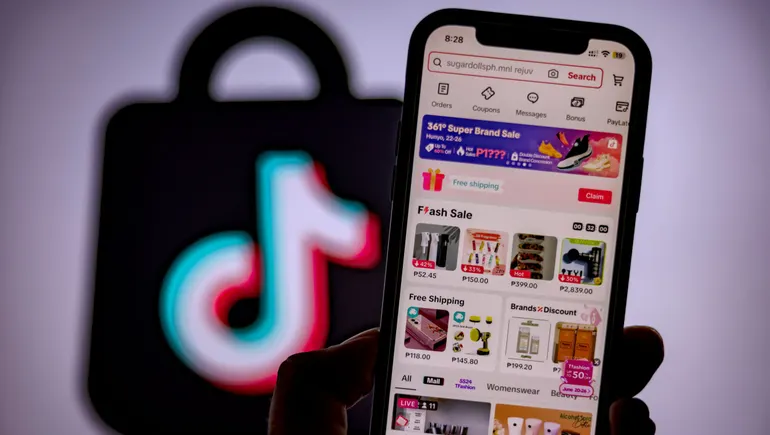
TikTok's in-app shopping ecosystem is becoming a new frontier that food companies are racing to establish, with major brands like PepsiCo, Mars, and Hershey already increasing their engagement on the social media platform.
According to official TikTok data, sales in the food category on TikTok Shop have more than doubled year-over-year, providing food manufacturers with a lucrative emerging growth channel. Companies are not only using the platform to sell products but also as a key source of information for innovation strategies, enabling them to quickly respond to internet trends such as Dubai chocolate and freeze-dried candy.
This growth reflects the acceleration of what TikTok calls "discovery commerce." A company spokesperson revealed via email that in 2025, U.S. users conducted over 103 billion searches with purchase intent on the app; total transaction value grew nearly 80% year-over-year, and brand sales climbed 97%.
Food Dive interviewed Amanda Parker, head of food business at TikTok Shop, on topics such as how consumer packaged goods brands use the app and how TikTok trends are reshaping innovation cycles. The following interview has been edited for clarity and brevity.
What role does TikTok Shop play in the consumer packaged goods food and beverage industry?
Amanda Parker:TikTok Shop is a content-driven discovery platform that blends content and commerce. We transform content that was previously just for inspiration into direct purchase opportunities, all within the same system. This significantly shortens the path from discovering a brand-new brand or a new product from a known brand to completing a purchase.
We serve everything from viral content-first brands and emerging consumer packaged goods to established brands with a century of history. For emerging brands, we provide a direct path for consumers to try products, lowering the barrier to entry—they may even succeed without retailer partnerships. Traditional brands can reach new audiences and reignite interest in their long-standing products. Across all these brands, launching innovative or exclusive products represents a significant opportunity.
What types of products are more likely to succeed?
We are a visual medium, so products that perform well often have strong visual appeal—from packaging to usage scenarios. If a protein bar can be pulled apart in front of the camera to reveal an interesting texture, that becomes very engaging. I often joke that we don't yet have "smell-o-vision" or "taste-o-vision," but visuals are key to sparking interest. Cultural relevance is equally important.
Products like candy salad and Dubai chocolate perform exceptionally well because people can quickly capture their highlights on the platform. Any product with a unique appearance or extreme flavors—such as extra spicy or extra sour—can trigger reactions on camera. Additionally, products that clearly articulate their benefits in videos also perform well, such as functional foods and beverages, which creators can tie into consumers' wellness journeys. Ultimately, products that make you stop mid-scroll are the ones that fit us.
How do platform trends change the speed of product innovation?
One of the most interesting phenomena I've observed over the past year and a half is how platform trends translate into commercialization cycles. Take puffed candy, for example: we first saw a content-based trend emerge organically, then early adopters and more TikTok-native viral brands quickly commercialized it. Next, Skittles itself innovated on the product on an accelerated timeline and brought it back as a TikTok Shop exclusive launch—and the starting point was the platform itself.
This cycle—from content trend to rapid commercialization to long-term product development—is fundamentally changing how food and beverage brands think about the speed of innovation, sources of innovation, and opportunities for line extensions. We hear feedback from retailers that they are watching these trends and expecting brands to follow up quickly. The impact is creating ripple effects across the entire industry.
What advice do you have for brands looking to maximize the value of TikTok Shop?
Entering our third year, we know that product selection with strong visual appeal and a content-first approach is especially critical. Prioritize items that are easy to showcase and attractive to creators.
Brands need to move quickly. We operate in a constantly changing environment—if a product fits a trend or goes viral, we want brands to be ready. We can't predict virality, but we can prepare for it. Additionally, I'd say be patient—gaining market traction takes time.
Think of us as an opportunity for rapid feedback—the feedback loop here is faster than many other channels. Come here for product launches, trials, and direct engagement with your community. Also, be prepared to capture the "halo effect" across other channels. Investment in TikTok Shop will have impacts that ripple across a brand's omnichannel business.
Does creator-led content outperform traditional polished advertising on the platform?
Overall, we find that authentic, direct content from individual creators performs best. Users trust creator recommendations and view them as part of the discovery cycle. Authentic, high-quality content—but not necessarily at the production level of traditional advertising—works because it builds trust, creating an experience akin to a recommendation in the living room.
How should brands plan their product assortment on TikTok Shop?
Product assortment is the first consideration. We see that the most successful model is "hero product + variety pack + bundle," which helps boost discoverability. Variety packs allow consumers to try four different flavors and find their favorite.
We also encourage brands to consider "pillar moments"—seasonal products and limited-time offerings. Combining evergreen products with seasonal peaks is where assortment truly works.
What do you think is the biggest mistake brands often make?
A common pitfall is expecting this channel to operate like other channels. It's not just social media, and it's not just DTC—it's a unique combination of both.
Many sellers already have experience on TikTok as advertisers or as a content platform, so we advise them to specifically strengthen their Shop operations. The misconception lies in treating Shop as separate from the broader TikTok platform—they should be closely connected. TikTok Shop strategy affects media investment, and vice versa. It's a closed-loop system where investment here ripples into other parts of the business.