
Meta faces potential $1.4 trillion fine, could become existential crisis
California, Colorado, Kentucky, and New Jersey are seeking a combined $1.4 trillion fine against Meta in lawsuits, accusing it of deliberately designing addictive apps and misleading the public. The amount is close to Meta's market value of approximately $1.5 trillion. Following a March jury ruling that social media can be addictive, Meta is seeking to limit legal risks, but other platforms also face similar lawsuits.
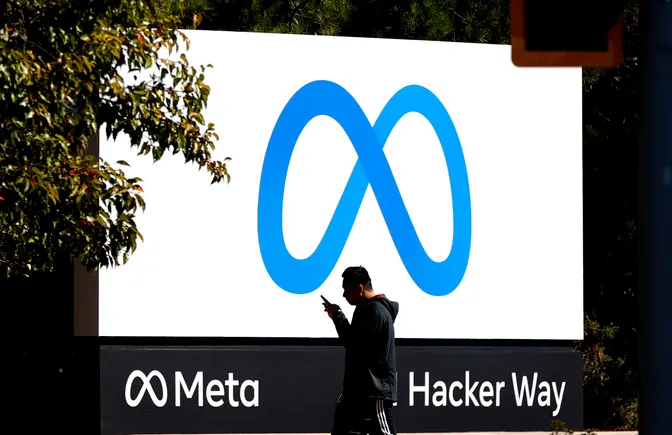
Meta may be facing an existential crisis: four U.S. states are seeking a combined $1.4 trillion in fines, on the grounds that the company is accused of deliberately designing its social media apps to be highly addictive to young users and subsequently misleading the public about the safety of its platforms.
According to Reuters, Meta based this estimate on the possible calculation of fines if California, Colorado, Kentucky, and New Jersey prevail at trial. Reuters added that this figure, previously undisclosed, is close to Meta's estimated market value of about $1.5 trillion.
This legal offensive follows a jury verdict in March. In that case, a Los Angeles jury ruled that social media platforms can be addictive and may have significant health impacts. The jury awarded a combined $6 million in damages against Meta and YouTube, paid to a single plaintiff harmed by social media addiction.
That ruling exposes Meta and other social platforms to new legal liability.
Reuters reported that the states' lawsuits are currently under seal, but at a June court hearing, state attorneys general said they would calculate expected fines by multiplying the penalty amounts set by state law by the number of violations. Reuters quoted the states as saying: "The number of violations is based on the estimated number of teenagers and young users affected by Meta's conduct."
If these fines are awarded in full, they could severely damage Meta's business. Combined with Meta's commitment to invest hundreds of billions of dollars in AI development, the cumulative impact of fines and sunk costs could destroy the company, or at least hinder its future projects.
However, Meta is working to limit its litigation exposure. The company is asking lawmakers to include exemption clauses to shield it from pending legislation that could increase legal fines in cases involving harm to children.
Meta is also pushing back on the basis of these allegations. According to Reuters, Meta says the state attorneys general have no evidence that it misled consumers about the alleged addictiveness of its platforms, because social media addiction has not yet been recognized as an established mental illness.
Meta may be able to argue that it does not need to respond to the lawsuit, thereby avoiding further fines and penalties.
Nevertheless, other social platforms face similar situations. Snapchat, YouTube, and TikTok are also facing a series of lawsuits over similar allegations.
The core driver behind all these cases is that social media exacerbates the mental health crisis. This means that in each case, the plaintiffs may need to bear the burden of proof to establish a clear precedent that social media addiction is a mental health condition.
Given this, the final outcome is hard to predict. It seems unlikely that social platforms will be driven to the brink by litigation, and the U.S. government is unlikely to allow that to happen, given the significant contribution of social platforms to the U.S. economy.
A more likely outcome is that social platforms will soon operate under stricter conditions with enhanced protections for young users. Additionally, parents may be given more responsibility to limit young users' screen time and content exposure.
However, hefty fines could still be on the horizon, and Meta and other platforms will work to strengthen their legal defenses.