
Snapchat Users Increasingly Turn to App for Health and Medical Guidance
Snapchat, in partnership with Ipsos US, surveyed 1,500 daily social media users aged 18-45 in the U.S. who are interested in health and wellness. The findings show that 95% of Snapchatters are actively engaged with health content, 58% use social channels to research complex health topics, and 61% compare brands or treatment options on social platforms. Snap positions the platform as a trusted space for health discussions, but the reliance on social media for medical information raises concerns.
Snapchat has released a new report examining how its users prioritize health and wellness, and how they leverage information from social media to inform their health-related decisions. The study, conducted in collaboration with Ipsos US, is based on a survey of 1,500 daily social media users in the United States, aged 18 to 45, who indicated an interest in health and wellness.
The data reveals both promising and concerning trends regarding the reliance on social media for health content. While Snapchat positions the findings as a positive opportunity for health-related marketers, the implications warrant closer scrutiny.
Key Findings from the Snapchat-Ipsos Study
According to the report, 95% of Snapchatters have an active interest in health and wellness. Additionally, Snapchat users are 1.2 times more likely than non-Snapchatters to purchase health and wellness products. The study also found that 58% of daily Snapchatters say social channels help them research complex health topics, and 61% use social platforms to evaluate different brands or treatment options against one another.
Snapchat frames these behaviors as a shift in health management: "Health management has moved beyond the walls of the doctor's office and into the conversations happening on social platforms." The company further states, "Instead of waiting for appointments, they are taking the lead by researching, validating, and managing their health and wellness in real-time."
Trust and Authenticity on Snapchat
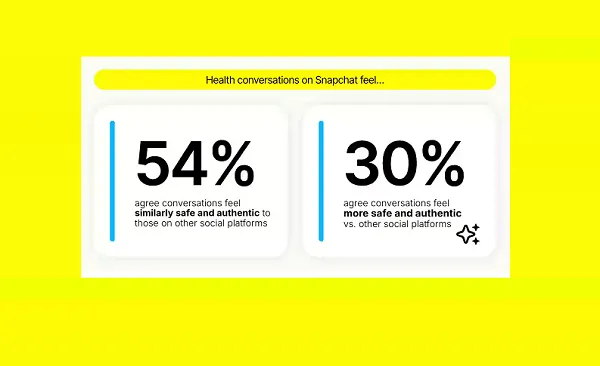
The survey indicates that Snapchat is perceived as a uniquely trusted space for health-related discussions. Respondents consider conversations within the app to be more safe and authentic compared to other social platforms. Specifically, 71% of daily Snapchatters feel comfortable sharing health-related Snaps with their close friends.
Snap highlights this as a benefit for advertisers: "This safe space creates a halo effect for advertisers, allowing branded content to fuel genuine education and real-world decision making."
Opportunities and Risks for Health Marketers
In certain contexts, the argument holds merit. People are actively seeking health information online, and pharmaceutical brands could potentially succeed by tapping into this demand and offering relevant solutions for common medical conditions. However, the increasing reliance on the internet for medical information is a risky area that could lead to more problems. Online health research is notoriously unreliable, yet more individuals are conducting their own health research online, partly due to rising medical costs.
Whether this trend represents a genuine marketing opportunity or a potential public health concern remains an open question. Snapchat, however, is clearly presenting it as a positive, emphasizing the platform's value in facilitating non-professional health advice sharing.


