
AI Content Flood: Which Social Platforms Are Most Affected?
AI-generated content is surging across social media, with LinkedIn and X most affected. Platforms like Pinterest and Reddit are fighting back, while Meta pushes AI tools despite user resistance. The trend raises fundamental questions about the future of social interaction online.
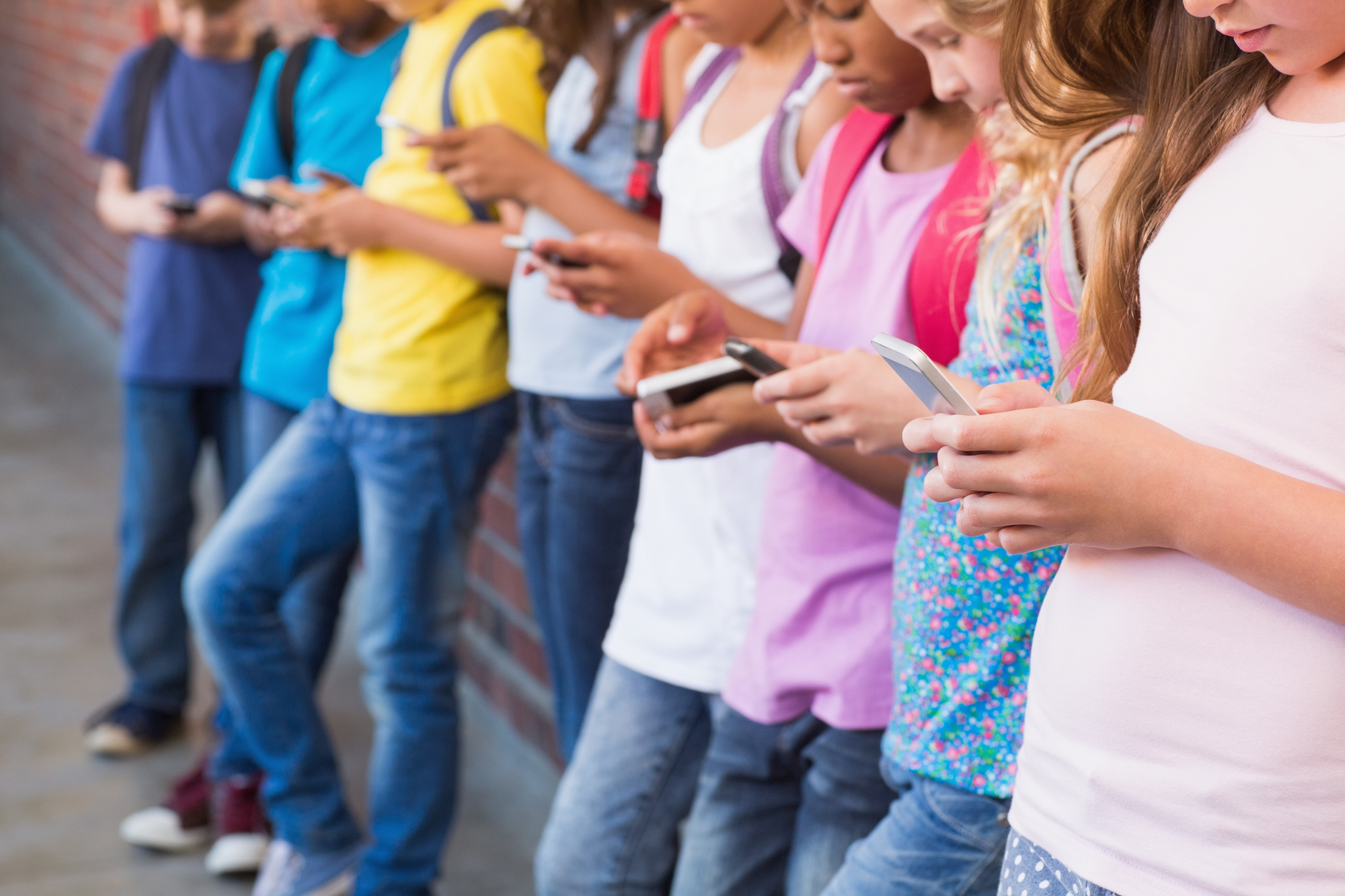
Artificial intelligence-generated spam has become a defining challenge for social media networks. As AI models grow more sophisticated, they can replicate human-like interactions, produce realistic images, and even generate video clips—blurring the line between authentic and synthetic content across online discourse.
But which platforms are bearing the brunt of this AI flood? A recent report points to LinkedIn, where an estimated 41% of all long-form posts show indicators of AI creation. The data comes from Pangram, a technology company whose browser extension detects AI-generated writing. While no detection tool is 100% accurate, Pangram's tracking—based on average measurements across platforms—suggests LinkedIn leads, followed by X, where roughly one-third of long-form posts appear to be AI-written.
Every platform is grappling with AI spam. Pinterest has worked to address concerns about AI-generated posts flooding feeds, becoming the only platform so far to add an AI off switch that lets users limit such content. Reddit recently shared insights into its fight against rising AI-generated comments and activity. X has also acknowledged its struggles.
In March 2026, Nikita Bier, X's head of product, announced changes to creator monetization incentives to counter a spike in AI-generated deepfakes related to the war in Iran. Bier and X owner Elon Musk have both discussed the broader impact of AI bots. Musk noted in a March 2023 post that AI has made it impossible to keep bot armies out of social apps, because it's "trivial to spin up 100k human-like bots for less than a penny per account." His proposed solution—charging every user a fee—has not gained traction, as paid social options have never resonated with audiences.
LinkedIn, meanwhile, has implemented reach penalties when AI spam is detected. Yet most platforms remain heavily invested in AI projects, encouraging users to integrate AI tools rather than switch them off.
Meta, for instance, has invested hundreds of billions of dollars into AI development to become a global leader. But Meta users have shown little enthusiasm. Facebook and Instagram users are regularly prompted to use Meta AI for questions, image generation, and post composition. When Instagram Chief Adam Mosseri announced the integration of Muse Image generation tools, replies to his post were almost universally negative—comments included "AI slop," "We need an option to turn off AI-generated content," and "Literally no one wants this."
This backlash is unsurprising, as AI tools often stand in opposition to social media's core premise: human connection. AI can only simulate interaction through fake personalities and replies, while AI-generated images and videos replace real experiences, artwork, and life events. If most shared content becomes fake, trust in networks erodes, weakening social media's value proposition until it vanishes.
Social media may then devolve into mere entertainment—an endless stream of videos from unknown creators, replacing TV with shorter shows on smaller screens. That trend raises a fundamental question: What even is a social media app in the AI era? Messaging apps, where real engagement still occurs, might be the last bastion of genuine social interaction online. But that shift shrinks social media's role, moving it toward curated entertainment that responds to user interests.
In that paradigm, AI-generated content may not prevail. The sheer volume of AI posts means quality suffers—for every clever video of Harry Potter characters in modern styles, there are thousands of forgettable depictions with distorted limbs, exaggerated expressions, and misaligned lip syncs. AI will improve, but successful AI videos often rely on established IP because original ideas still resonate more. Empowering more creativity could paradoxically lead to less user interest.
As platforms navigate this AI deluge, the tension between innovation and authenticity will define their future. The choices they make now—whether to embrace AI or protect human connection—will determine whether social media remains a space for real interaction or becomes just another entertainment feed.


