
TikTok Expands AI Video Ad Capabilities with Dreamina Seedance 2.5 Integration
TikTok announced the integration of Dreamina Seedance 2.5 into its Symphony ad creation suite, allowing advertisers to generate up to 30-second video clips with up to 50 multi-modal references. The update promises sharper imagery and better storytelling, though it comes amid user backlash against AI-generated content across platforms.
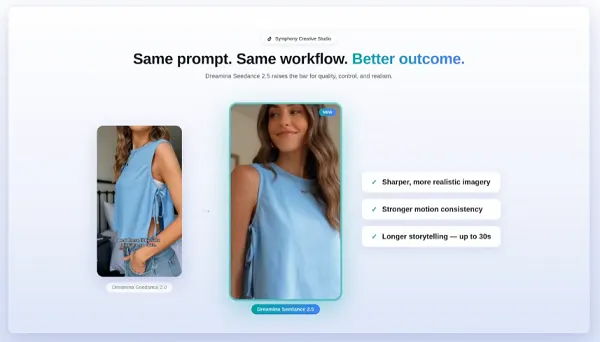
TikTok is broadening the scope for advertisers to leverage artificial intelligence in video ad production. The platform has integrated the latest AI model from its parent company, ByteDance, into the TikTok Symphony ad creation suite, aiming to streamline the generation of more visually compelling and engaging video content.

On Monday, TikTok confirmed the integration of the Dreamina Seedance 2.5 video generation model, stating that it will deliver higher-quality video clips tailored specifically for the TikTok audience. The company highlighted that the updated model supports deeper storytelling, with advertisers now able to produce video clips of up to 30 seconds in length, a significant increase from the previous 15-second limit.
In addition to extended duration, advertisers can upload up to 50 multi-modal references—encompassing images, videos, and audio—marking a substantial expansion from the earlier cap of nine references. This enhancement is designed to give advertisers greater control over AI-guided video generation. TikTok also noted that the new model can generate “sharper, more realistic imagery,” with improved preservation of lighting, motion, and character consistency throughout a video.
According to TikTok, these advancements enable a more sophisticated understanding of product context, proportions, and scene composition. This, in turn, helps advertisers execute more ambitious creative concepts “with a stronger finish.”
The integration follows TikTok's earlier adoption of Dreamina 2.0, which was announced in April. This latest update builds on the broader momentum of AI-generated video across the digital advertising landscape.
However, the rollout occurs against a backdrop of notable user resistance to AI-generated content on social media platforms. Many users have expressed clear preferences against AI-generated material dominating their feeds, prompting platforms to respond. Last week, Snapchat announced it would no longer promote wholly AI-generated content within its Spotlight short video feed. Similarly, Pinterest, Reddit, and X have initiated measures to limit the spread of AI-generated content and mitigate the overwhelming influx of such posts.
TikTok itself has implemented transparency and user education initiatives to ensure users remain informed about AI-generated content. The app also offers users the option to indicate a preference for seeing less AI-generated content in their For You feeds.
Given this context, expanding advertisers' access to AI tools might seem counterintuitive to prevailing user trends. It could potentially even provoke backlash against advertisers who adopt this approach. Nevertheless, TikTok clearly sees value in the latest Seedance model, betting on its potential to enhance ad performance despite user sentiment.
TikTok confirmed that the Dreamina Seedance 2.5 model is currently being rolled out to select paid advertisers in select markets.