
Meta Donates 15,000 AI Glasses to Vision Ireland for Sight Loss Support
Meta has announced a donation of 15,000 Ray-Ban Meta AI glasses to Vision Ireland, enabling individuals with sight loss to apply for the devices. This initiative is part of Meta's broader effort to highlight the benefits of its AI wearables, especially for users with impairments, while addressing recent privacy concerns and negative consumer sentiment.
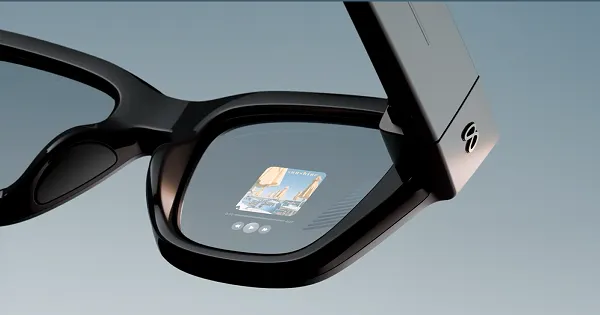
Meta is stepping up efforts to showcase the practical value of its artificial intelligence-equipped wearables, even as concerns persist over potential misuse of its Meta glasses for unauthorized surveillance. In a move aimed at countering that narrative, the company is donating 15,000 pairs of Ray-Ban Meta glasses to Vision Ireland, the country's leading sight loss charity.
As reported by Engadget, Meta has launched a program through which individuals can apply for the free devices via the Vision Ireland website. The glasses are being supplied to the charity to support expanded assistance services and to demonstrate the utility of the technology in real-world scenarios.
This initiative is the latest in Meta's broader push to emphasize the benefits of its AI-enabled devices, particularly for users with physical limitations or impairments. The company has been positioning its smart glasses as a tool for connection and accessibility, and this donation aligns with that strategy.
In June, Meta announced it would give away 130,000 pairs of Meta AI glasses to legally blind U.S. veterans, marking the first step in its charitable outreach. That program was widely covered and set the stage for the current donation to Vision Ireland.
The timing of this charitable effort is notable, as Meta's AI glasses face a challenging marketing environment. Despite the fact that sales volume for the devices doubled in 2025, consumer sentiment appears to be shifting against them. Reports of misuse, including attempts to cover or remove the LED recording indicators, have fueled privacy concerns.
Last month, Meta announced an update to its AI glasses that would deactivate the devices if users attempt to conceal or damage the recording function. This update came in response to reports that some users were tampering with the LED lights that activate during recording, raising fears of covert surveillance.
The controversy has even reached the entertainment world. As reported by CNET, singer Lorde told the crowd at the Mad Cool music festival in Madrid not to buy Meta's AI glasses, calling them "pervert glasses" and saying they are "not sexy." Such public criticism adds to the reputational challenges Meta faces.
Beyond individual misuse, there are broader concerns about how Meta itself may access and use recordings captured by the glasses. Investigations in the UK and US have been launched into these practices, which could further dampen sales momentum and slow the growing interest in Meta's AI wearables.
These issues could undermine Meta's hopes that smart glasses will eventually become a central medium for human connection. Meta chief Mark Zuckerberg has previously stated that glasses are the ultimate form-factor for AI interaction, and he has predicted they will eventually supersede phones as people's primary technological companion.
Given these ambitions, a wave of negative press could have significant repercussions—not only for sales of the glasses themselves but also for Meta's larger AI adoption strategy and its goal of becoming the leading AI provider for consumers. Charitable initiatives like the Vision Ireland donation may serve as a valuable counterbalance, helping to shift the narrative by demonstrating the positive impact of the technology for a different user group.